
NON-DESTRUCTIVE TESTING (NDT) SERVICES
Our laboratory applies a wide range of NDT methods in accordance with European and international standards (EN, ISO, ASME, ASTM).
The goal is to detect irregularities, defects, or material changes without damaging the tested object.
1. Ultrasonic Testing (UT)
Description:
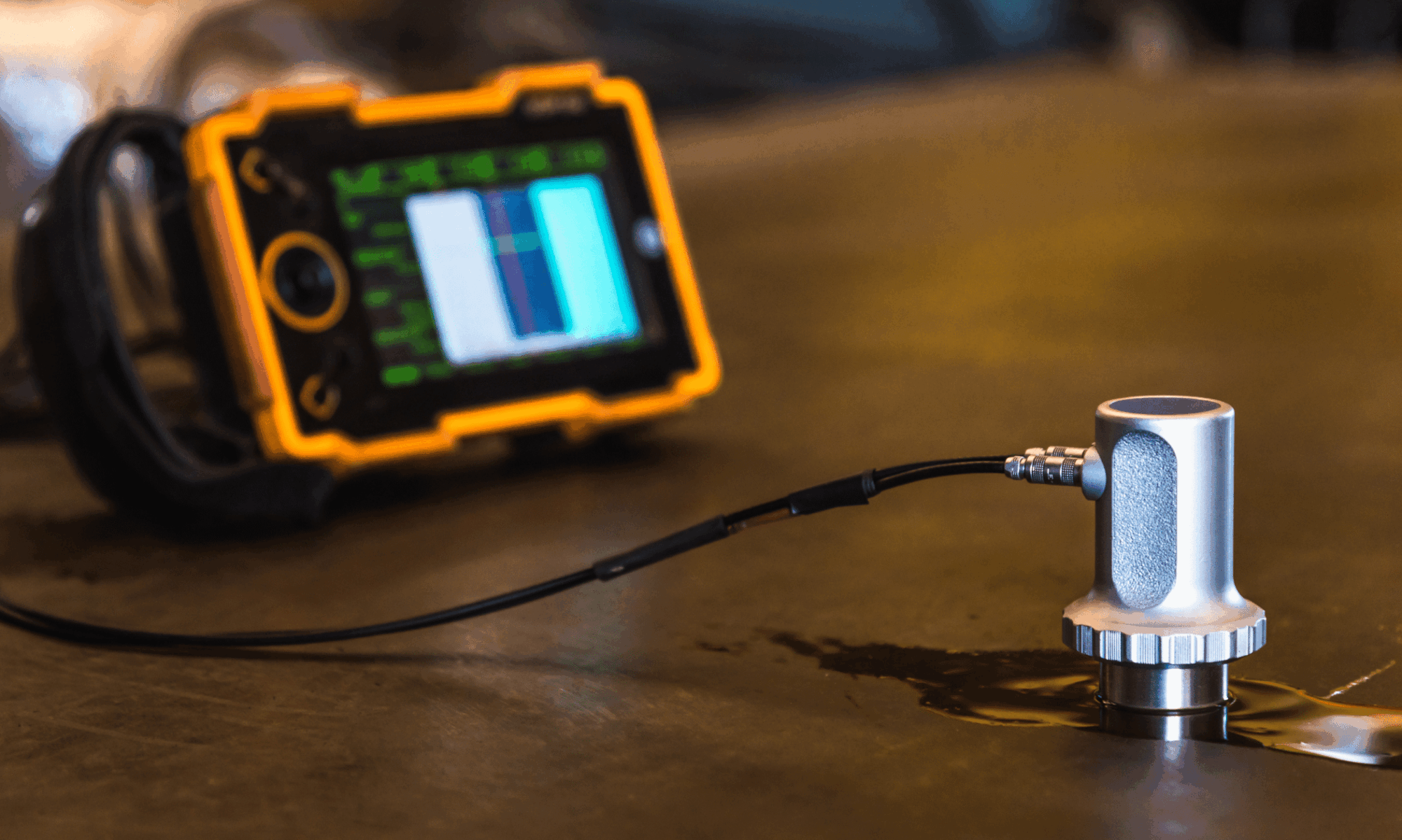
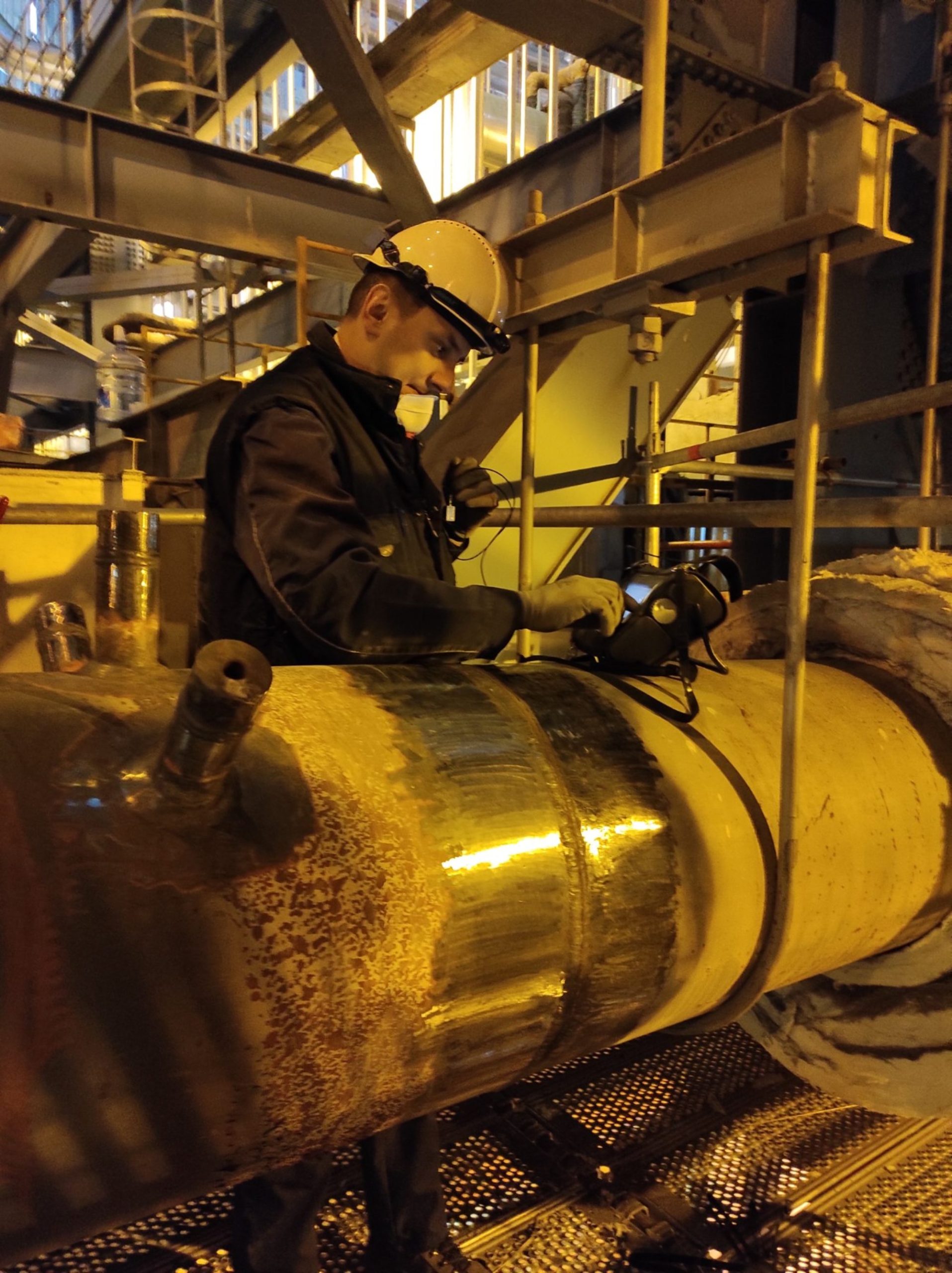
Ultrasonic testing uses high-frequency sound waves to detect internal defects in materials (e.g. cracks, porosity, lack of fusion in welds).
Advantages:
Detects internal as well as surface defects
Suitable for both metallic and non-metallic materials
Immediate on-site results
High precision in thickness measurement
Applications:
Welded joints
Pipes, tanks, boilers, steel structures
Wall thickness control of pressure vessels
Standards: EN ISO 17640, ASME V Art.4, ASTM E164
2. Radiographic Testing (RT)
- Description:
The RT method uses X-rays or gamma rays to reveal internal defects in welds and cast components.
The result is a radiograph (film or digital image) showing the internal structure of the material.
Advantages: - Provides a visual record of internal defects
- Produces a permanent record of the test
- Suitable for welded joints and castings
Applications: - Energy and oil industries
- Pipelines and pressure vessels
- Metal structures
Standards: EN ISO 17636-1/2, ASME V Art.2, ASTM E94
We operate a mobile NDT laboratory for conventional radiography, equipped with state-of-the-art imaging and radiation protection systems.
Our mobile team can perform on-site testing and deliver results immediately, eliminating the need for sample transport or laboratory delays.
The mobile radiography laboratory enables direct field testing at the client’s location, equipped with full RT systems – radiation sources, protective barriers,
and film development equipment – allowing for rapid image processing and result interpretation on site.
This capability significantly reduces downtime and logistical costs, particularly for:
- On-site weld inspections (pipes, pipelines, structures)
- Industrial plant inspections during assembly or maintenance
- Large components that cannot be transported
Our mobile team can respond quickly and provide complete on-site results.
TIPO-NDT d.o.o. is the only accredited laboratory in Bosnia and Herzegovina equipped for digital radiography (DR) within NDT methods.
This advanced technology enables: - Instant display of digital results
- Higher accuracy and contrast resolution compared to traditional film radiography
- Reduced radiation dose and eco-friendly process (no chemicals or films)
- Digital archiving and easy result sharing with clients
By implementing digital radiography, TIPO-NDT d.o.o. reinforces its commitment to technical excellence, safety, and innovation in the field of non- destructive testing.
3. Magnetic Testing (MT)
Description: Magnetic testing is applied to ferromagnetic materials (steel, iron) to detect surface and near-surface cracks.
It is based on creating a magnetic field and applying indicator powder that accumulates at defect sites.
Advantages:
Fast and simple method
High sensitivity to surface defects
Suitable for inspection of welds, shafts, rivets, and structures
Standards: EN ISO 17638, ASME V Art.7, ASTM E709
4. Penetrant Testing (PT)
Description: Uses brightly colored penetrant liquid that seeps into surface cracks. After removing excess liquid and applying developer, defects become visible under light
or UV lamp.
Advantages:
Simple and cost-effective
Suitable for non-magnetic materials (e.g. aluminum, stainless steel)
Ideal for surface defect detection
Applications:
Welds, castings, forgings, turbines, valves
Standards: EN ISO 3452, ASME V Art.6, ASTM E1417
5. Visual Testing (VT)
Description:
A basic inspection method used alone or alongside other techniques.
Performed using endoscopes, mirrors, magnifiers, or video cameras.
Advantages:
Quick and simple
Can be performed during or after production
No special equipment required
Standards: EN ISO 17637, ASME V Art.9
6. PMI – Positive Material Identification
Description:
Analysis of the chemical composition of metals using an XRF spectrometer.
Confirms that the material matches required specifications.
Applications:
- Industrial plant manufacturing and assembly
- Energy and chemical industries
- Incoming material control
Additional Services
Preparation of NDT procedures and reports according to standards
Quality control consulting
Classification of welded joints